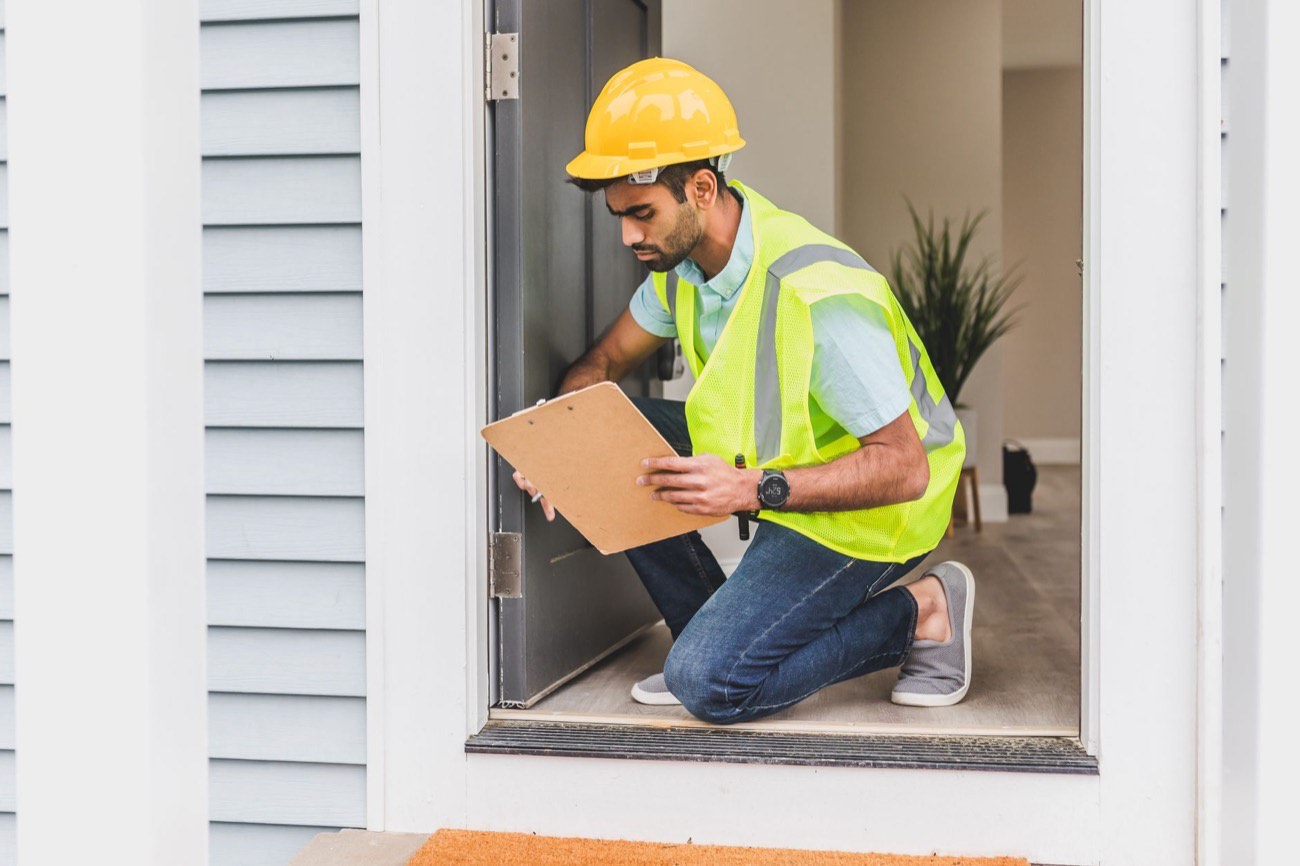
A septic inspection when buying a house typically costs $300 to $650, more than a routine maintenance check ($150–$300) because it’s more thorough and time-consuming — usually two to four hours of work. Add-ons push it higher: a camera inspection of the lines adds roughly $125–$500, and digging to uncover a buried tank can add $50–$250. Prices vary a lot by region and by how hard your tank is to access. Whatever the exact figure, this is one of the smartest few hundred dollars you’ll spend when buying a home with a septic system — because the thing it’s checking, the drain field, can cost thousands to tens of thousands to replace.
Typical cost breakdown
| Item | Typical cost |
|---|---|
| Real-estate (transaction) inspection | $300–$650 |
| Basic maintenance inspection (for comparison) | $150–$300 |
| Camera inspection add-on | +$125–$500 |
| Digging to uncover the tank | +$50–$250 |
| Pumping (if needed for a full inspection) | often $300–$600 extra |
These are national ranges from cost aggregators; your local price can fall outside them, especially in high-cost regions.
Why the buying inspection costs more
A quick maintenance check might just confirm the tank isn’t overdue. A home-purchase inspection is deeper because you’re making a six-figure decision on a system you can’t see. A thorough inspection generally includes:
- Uncovering and opening the tank (why access/digging can add cost).
- Measuring the sludge and scum layers to gauge condition and pumping status.
- Checking the baffles and effluent filter for damage or clogs.
- Running water through the house to test that the system accepts and moves flow.
- Evaluating the drain field for soggy spots, surfacing effluent, or other failure signs.
- Sometimes a camera inspection of the lines and a dye test.
That’s a couple of hours of skilled work, which is why it costs more than a glance at the lid.
Level 1 vs. Level 2 inspections
You’ll sometimes see inspections described by level:
- Level 1 (visual): cheaper, faster — checks accessible components and runs water, but doesn’t necessarily open the tank or dig. Fine for routine peace of mind, not enough for a home purchase.
- Level 2 (full): uncovers and opens the tank, measures layers, checks internals, and evaluates the field. This is the one you want before buying.
Paying for a Level 1 when buying a home is a false economy — it can miss exactly the drain-field problems you’re trying to rule out.
Who pays?
It’s negotiable and depends on your market and state:
- Buyer pays most often, as part of due diligence to protect their own purchase.
- Seller pays in some markets, or where a point-of-sale inspection is required by the county before a home with septic can change hands.
Spell it out in the purchase agreement so there’s no confusion at closing.
Why it’s worth it
The math is simple. A septic inspection costs a few hundred dollars. The system it evaluates includes a drain field that costs $3,000–$15,000+ to replace (see leach field replacement cost) and a tank that isn’t cheap either. An inspection can:
- Catch a failing or near-failing system before you own the problem.
- Give you negotiating leverage — ask the seller to pump, repair, or credit you.
- Establish a baseline so you know the system’s age and condition going in.
Walking into homeownership blind on the septic system is the expensive choice. If you’re buying, pair this with the broader septic due-diligence checklist and learn how a septic system works so you can read the inspector’s report with confidence.