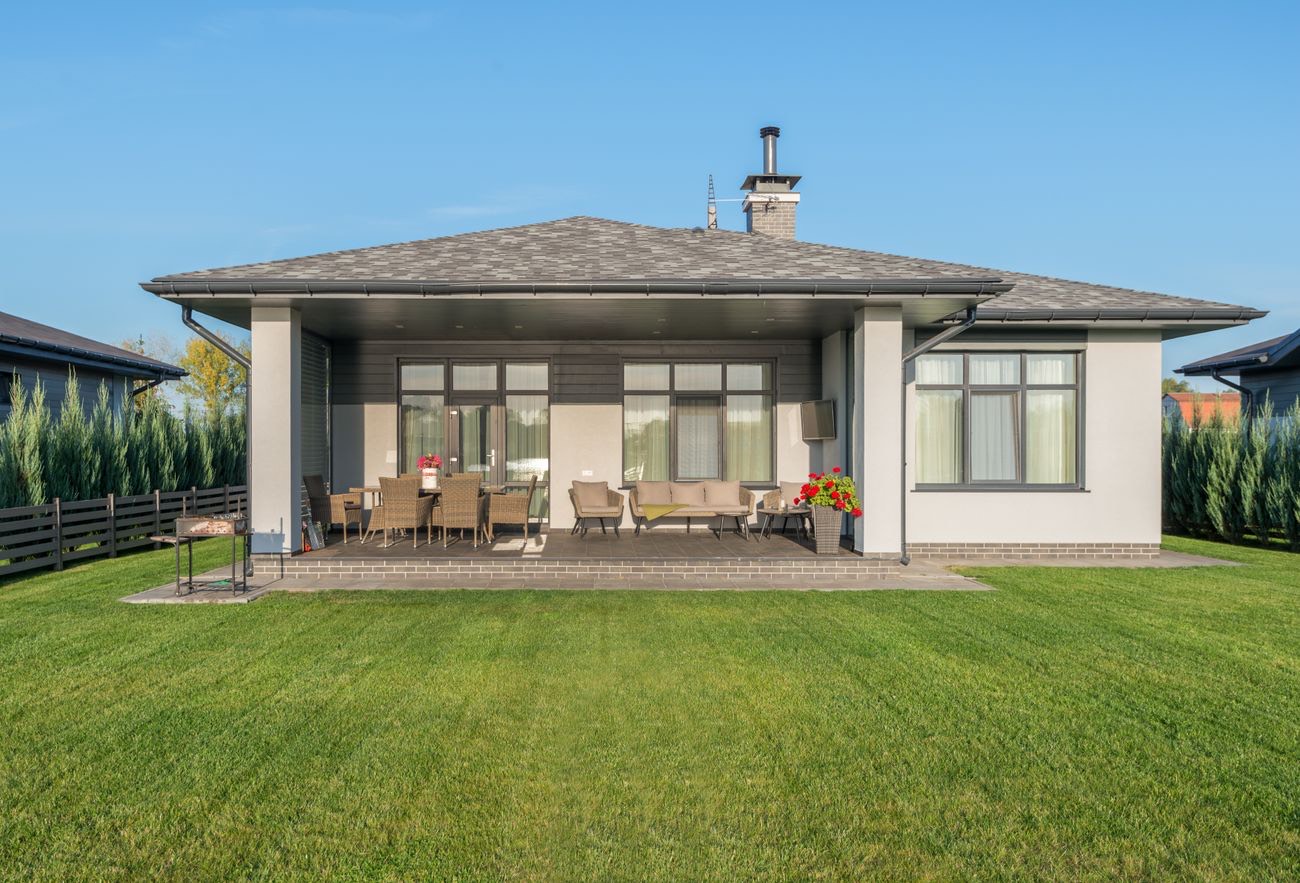
Grass and shallow-rooted plants are safe to plant over a septic drain field — trees and shrubs are not. According to Clemson Cooperative Extension, a vegetative cover like a lawn is actually recommended: it holds the soil in place and helps the field work by taking up water and letting it evaporate. What you must avoid is anything with deep or aggressive roots — especially trees and shrubs — because their roots seek out the moisture and nutrients in the field and can grow into and clog the pipes, causing an expensive failure. And skip the vegetable garden here: the effluent being treated just below makes edible plants a contamination risk. Here’s the full safe-and-unsafe list.
Safe to plant over a drain field
The goal is a shallow-rooted, low-maintenance cover that protects the soil without threatening the pipes:
- Grass / lawn — the ideal choice. Clemson specifically recommends it.
- Herbaceous perennials and annuals — shallow-rooted flowering plants.
- Bulbs — such as daffodils and other spring bulbs.
- Ornamental grasses (but avoid very tall, aggressive types like Miscanthus or pampas grass).
- Native ground covers adapted to your local soil and rainfall.
Keep any mulch minimal — a thick mulch or landscape fabric layer traps moisture and blocks the evaporation the field needs.
Avoid over (and near) a drain field
| Avoid | Why |
|---|---|
| Trees (any) | Roots invade and clog the drain lines |
| Shrubs | Same root-intrusion risk |
| Willows, red/silver maples, beeches, birches, elms, poplars | Especially aggressive, water-seeking roots |
| Vegetables and edible plants | Contamination risk from treated effluent |
| Heavy mulch, plastic, landscape fabric | Traps moisture, blocks evaporation |
How far to keep trees and shrubs away
Clemson gives clear minimum distances:
- Large shrubs: never closer than 10 feet.
- Small trees: at least 20 feet away.
- General rule: plant trees at a distance of two to four times the diameter of their mature canopy from the field.
- Aggressive-rooted trees (willows, maples, poplars, elms): plant these much farther — their roots travel a long way toward water.
If you already have a big tree near the field and are seeing problems, root intrusion may be the cause — a professional can assess it.
Why the “no trees” rule is non-negotiable
A drain field is buried pipe surrounded by gravel and soil, constantly carrying moisture and nutrients — exactly what tree roots are built to find. Once roots reach the perforated pipe, they grow inside it, restrict flow, and eventually clog the lines. That turns a working field into a failing one, and the fix is often a partial or full drain field replacement — one of the most expensive septic repairs. The EPA’s guidance is blunt: don’t plant trees or shrubs near the drain field, because “roots can grow into your system and clog it.”
A quick word on the rest of the field
Planting is only part of protecting the drain field. Also keep in mind:
- No driving or parking on it — compaction crushes the pipes.
- No structures — decks, patios, and driveways block access and air; see building over a septic tank.
- Direct runoff away — don’t let gutters or sump pumps flood the field.
Bottom line
Cover your drain field with grass or shallow-rooted ornamentals, keep trees and shrubs well away (10 ft for shrubs, 20+ ft for trees, much farther for willows and maples), and skip the vegetable garden. That simple planting plan protects the most expensive part of your septic system while keeping your yard looking good. For the whole picture of drain-field care, see the septic maintenance checklist.