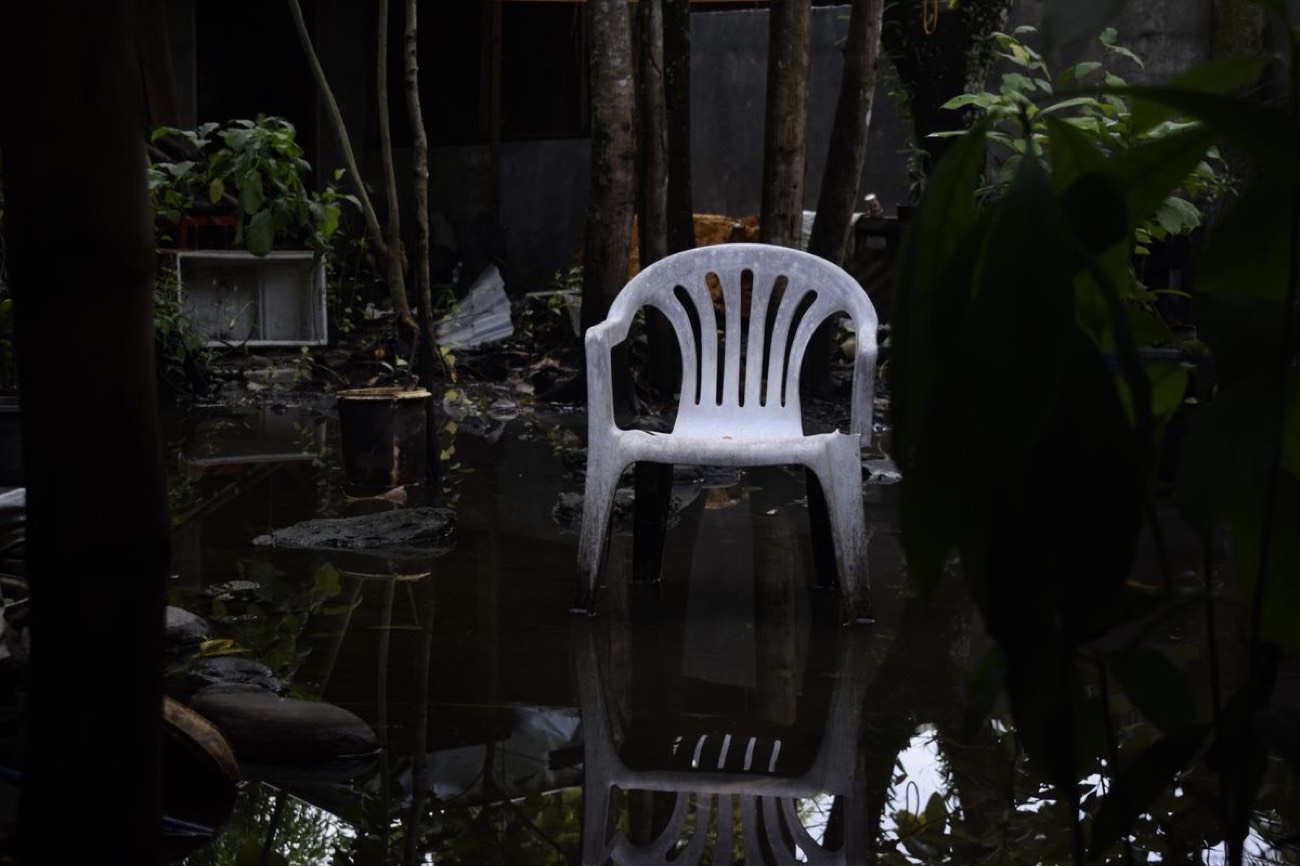
Septic systems back up after heavy rain because the drain field relies on soil to absorb the water leaving your tank — and saturated soil can’t absorb anything. When the ground around the field fills with rainwater, effluent has nowhere to go, so it backs up: slow drains, gurgling plumbing, or sewage surfacing in the yard or coming back indoors. A rising water table can make it worse by seeping into the tank through cracks and unsealed joints, using up capacity meant for your household. The single most important thing to know: do not pump the tank while the ground is still saturated — the EPA warns an empty tank can float out of the ground. Cut your water use, wait for the soil to drain, and get an inspection if problems keep coming back.
Why rain overwhelms a septic system
Your drain field is a soil filter. Effluent from the tank trickles out of perforated pipes, through gravel, and into the soil, which absorbs and treats it. That whole process depends on the soil having room to accept water. Two things happen in a heavy storm:
- Drain field saturation. Rain fills the soil’s pore space. Once it’s waterlogged, effluent can’t percolate, so it backs up through the distribution lines into the tank — and if the tank is full, into your house or onto the surface.
- Groundwater infiltration. A rising water table pushes clean groundwater into the tank through cracked lids, unsealed risers, or deteriorated pipe joints. That water fills capacity meant for wastewater, so the tank reaches its outlet sooner.
The result is a system that’s temporarily overwhelmed — not necessarily broken, but with no room to work until the ground drains.
What to do (and the one big don’t)
Do:
- Slash water use immediately. Every gallon you send down during the storm competes with rainwater the field already can’t handle. Postpone laundry and the dishwasher; keep showers short.
- Redirect runoff. Make sure roof gutters, downspouts, and surface drainage point away from the drain field, not onto it.
- Stay off the field. Don’t drive or park on saturated ground over the drain field — the weight compacts the soil and damages the lines.
- Wait it out. A single event usually clears in about 1–7 days as the soil drains.
Don’t:
- Don’t pump the tank while the ground is saturated. This is the EPA’s explicit warning: an empty tank surrounded by waterlogged soil can float up out of the ground, wrecking the tank and its pipe connections. Wait until the water table drops before pumping.
When it’s more than just the weather
A healthy system shrugs off the occasional storm. But recurring trouble is a warning sign:
| Pattern | What it suggests |
|---|---|
| Backs up only in extreme storms, clears in days | Normal — reduce water use during rain |
| Backs up after ordinary rain, every time | Drain field near capacity or failing |
| Slow drains and wet spots persist after dry weather returns | Drain field problem — get it inspected |
If your system struggles after routine rain, or the soggy spots and slow drains don’t clear once the ground dries, the drain field is likely the issue. Read how to tell if your drain field is failing — catching it early is the difference between a repair and a full leach field replacement.
After the storm
Once the ground has dried out, it’s worth having the system inspected — especially if you saw backups or surfacing. The inspector can check for tank cracks or infiltration points that let groundwater in, and confirm the drain field recovered. If your tank was due for service anyway, that’s the time to pump it (now that the float-out risk has passed). For the bigger picture of how the pieces fit together, see how a septic system works.