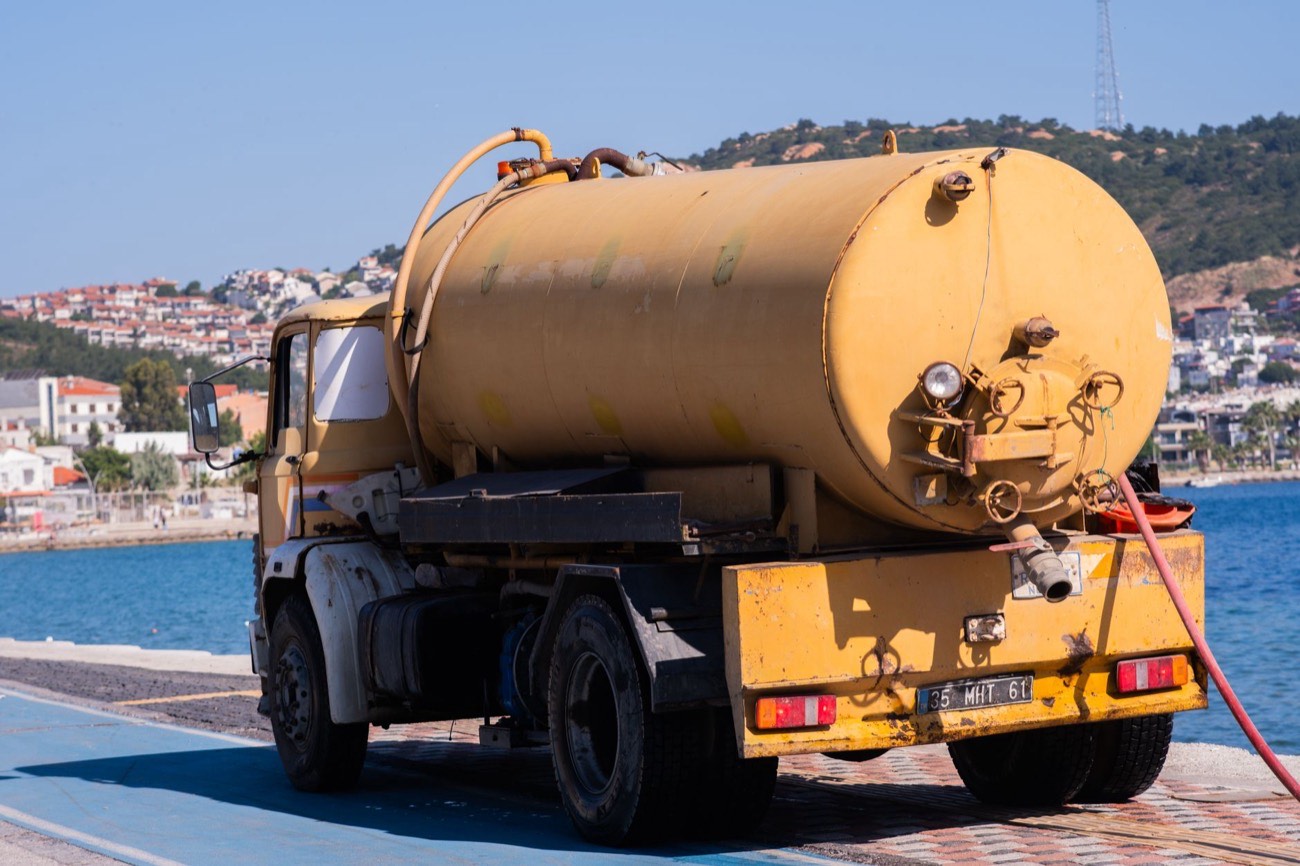
Most septic tanks should be pumped every 3 to 5 years — that’s the EPA’s guidance — but the honest answer to “how long can you wait” is: it depends on your tank size, household size, and water use, and there’s no safe fixed maximum. A large tank serving two people might genuinely go 5+ years; a small tank serving a busy family of six may need pumping every 2–3. The only reliable way to know is an inspection that measures how full the tank actually is. What you should not do is treat “it still works” as proof you can keep skipping it — by the time problems show up, solids may already be reaching your drain field.
What the EPA actually recommends
The EPA’s guidance is specific:
- Inspect a household septic system at least every 3 years by a professional.
- Pump the tank every 3 to 5 years.
- Systems with electrical float switches, pumps, or mechanical components should be inspected once a year.
Pumping frequency, the EPA says, depends on four things: household size, total wastewater generated, the volume of solids in the wastewater, and the tank size. That’s why there’s no single number that fits every home.
What decides your real interval
| Factor | Pumps more often | Pumps less often |
|---|---|---|
| Tank size | Small (750–1,000 gal) | Large (1,500+ gal) |
| Household size | Many people | 1–2 people |
| Water use | High (long showers, frequent laundry) | Efficient fixtures, low use |
| Garbage disposal | Yes (adds ~30% more solids) | No |
| Non-flushables | Wipes, grease going down | Only the “3 Ps” |
A useful way to think about it: the tank fills with solids at a rate set by how much waste your household puts in and how big the tank is. A garbage disposal alone shortens the interval by roughly 30%, according to Purdue Extension. Two homes with identical tanks can need pumping years apart.
The EPA’s “is it full yet” rule of thumb
You can’t see inside your tank, which is why inspection matters. Professionals measure the scum layer (floating) and sludge layer (settled), and the EPA’s technical thresholds for pumping are:
- The bottom of the scum layer is within 6 inches of the outlet, or
- The top of the sludge layer is within 12 inches of the outlet, or
- Scum and sludge together exceed 25% of the tank’s liquid depth.
Hit any of those, and it’s time to pump — regardless of how many years it’s been.
What happens if you push it too far
Skipping pumping isn’t a sudden cliff; it’s a slow slide toward an expensive failure. Here’s the EPA’s failure chain:
- Solids accumulate faster than bacteria can reduce them.
- As the tank overfills, solids migrate out toward the drain field.
- Those solids clog the drain field’s soil, so it can no longer absorb water.
- The result: ponding in the yard, sewage surfacing, or backing up into the house — and often the need to replace the entire drain field.
The economics make the case by themselves. Routine pumping costs a few hundred dollars every few years. A clogged, failed drain field commonly costs thousands to tens of thousands to replace (see leach field replacement cost). Pumping on schedule is the cheapest insurance in homeownership.
There’s also a health dimension: the EPA notes that insufficiently treated sewage from a failing system can contaminate groundwater, which is a real concern if you or your neighbors rely on wells.
So, how long can you safely wait?
- Follow the 3–5 year rule as your default, and inspect every 3 years to catch a fast-filling tank early.
- Lean toward the shorter end (2–3 years) if you have a small tank, a big household, a garbage disposal, or heavy water use.
- You may safely reach the longer end (5 years) with a large tank and a small, careful household — but confirm it with an inspection, don’t assume it.
- Never use “it still drains fine” as your guide. By the time drains slow or odors appear, solids may already be reaching the drain field.
New to how the tank and field work together? Start with how a septic system works — it explains why pumping the tank is really about protecting the field. And when it’s time, here’s how to find your septic tank so the pumper can get right to it.