If your septic tank is overflowing, act now: stop running all water — no laundry, dishwasher, showers, or flushing — keep people and pets away from any surfacing sewage, and call a licensed septic professional immediately. Do not try to pump the tank yourself if the ground is saturated with rain; the EPA warns that an empty tank can float and pop out of waterlogged soil. Overflowing sewage is a genuine health hazard that can contaminate your home, yard, and groundwater, so treat it with urgency. Once the emergency is contained, the cost of the fix depends entirely on the cause — anywhere from a routine pump-out to a full drain field replacement. Here’s exactly what to do first, then what the repairs typically run.
Immediate steps — do these first
- Stop using water. Every gallon you send down the drain makes the overflow worse. Halt laundry, dishwashing, showers, and flushing until the problem is assessed. This is the single most important thing you can do.
- Keep everyone away from the sewage. Surfacing or backing-up wastewater is not treated and carries bacteria and viruses. Rope off the area, keep kids and pets out, and don’t walk through it or track it indoors.
- Do not pump the tank if the ground is saturated. After heavy rain, the EPA is explicit: don’t have the tank pumped when the soil is waterlogged, because the empty tank can float out of the ground and damage the pipes. Wait for the ground to drain, or let the professional decide.
- Don’t add chemicals or additives. They won’t stop an overflow, and the EPA does not recommend septic additives.
- Redirect water away from the tank and field. Point gutters, downspouts, and any surface runoff away from the septic system so rain isn’t feeding the problem.
- Call a licensed septic professional. This is not a DIY repair once sewage is surfacing. They’ll find the cause and tell you whether it’s a pump-out or something bigger.
Why septic tanks overflow
An overflow means wastewater is entering the tank faster than it can leave — or can’t leave at all. The usual causes:
- An overdue tank. When solids aren’t pumped on schedule, they accumulate and eventually escape toward the drain field, which backs the whole system up.
- A clogged or failing drain field. If the field can’t absorb effluent, the tank has nowhere to send it, and levels rise until it overflows.
- Too much water at once. A big laundry day, guests, or a leaky fixture can overwhelm a marginal system. A single running toilet can add up to 200 gallons a day.
- A blocked outlet or effluent filter. A clogged filter or outlet baffle traps water in the tank.
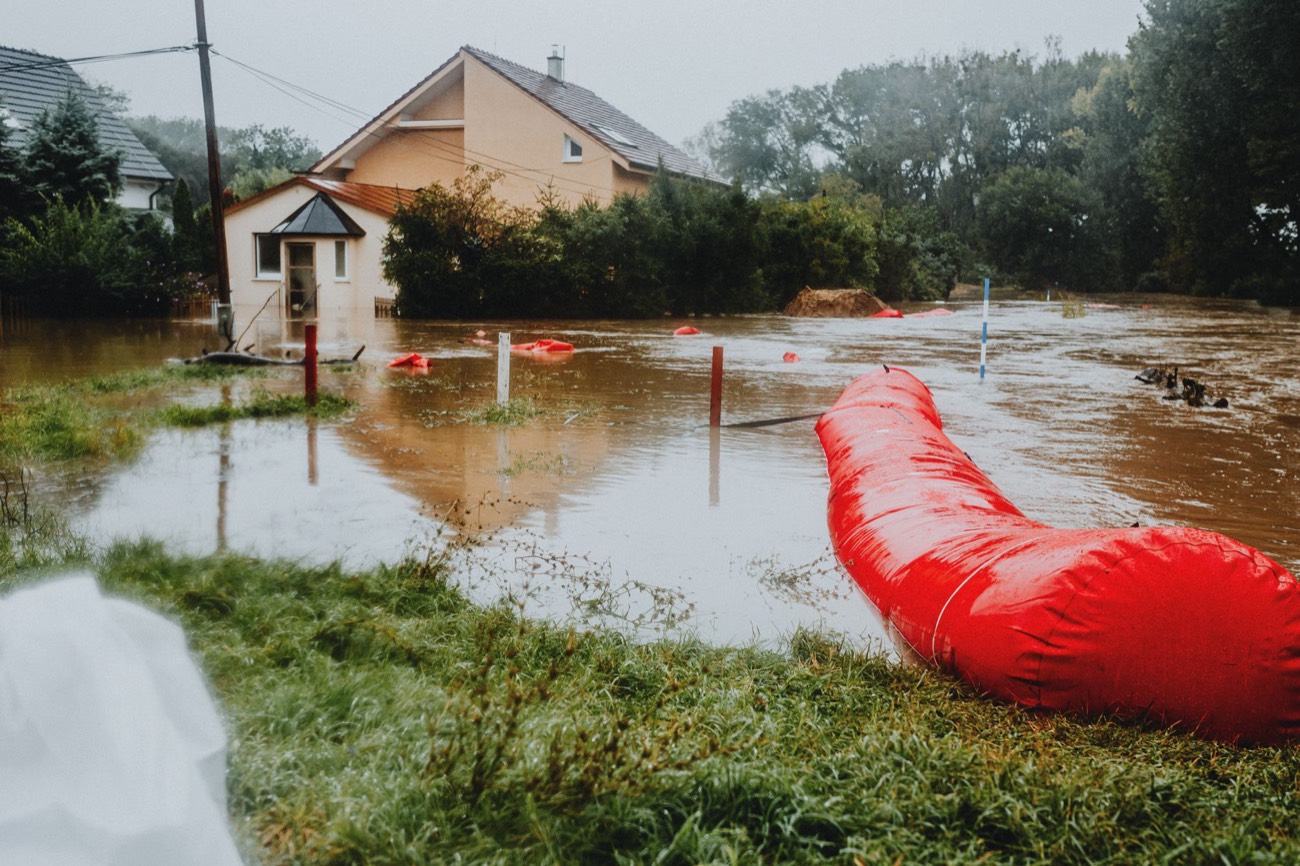
- Heavy rain and saturated soil. When the ground is waterlogged, effluent can’t percolate, and groundwater can seep into the tank through cracked lids or joints — filling it from the outside. See septic problems after heavy rain.
The overflow-after-rain trap
One overflow scenario deserves its own warning, because the instinctive fix makes it worse. After heavy rain or flooding, tanks often back up not because they’re full of solids but because the surrounding soil is saturated and effluent can’t percolate — and because groundwater is seeping into the tank through cracked lids or joints. It’s tempting to call for an emergency pump-out. Don’t, if the ground is still waterlogged.
The EPA is explicit on this: do not pump the tank while the soil is saturated. An emptied tank surrounded by saturated soil can float upward — literally buoyed out of the ground — cracking the inlet and outlet pipes and turning a temporary overflow into a genuine repair. The right move after a flood is to reduce water use to a minimum, wait for the ground to drain, and let a professional decide when pumping is safe. In the meantime, keep runoff away from the tank and field so you’re not refilling the saturated soil. For the full rundown of what’s normal and what isn’t after a storm, see septic problems after heavy rain.
How to tell how serious your overflow is
Not every overflow is the same emergency. A quick read of the situation helps you brief the professional and set expectations on cost:
- Backed up indoors but nothing outside: often a blockage between the house and tank, or a full tank. Frequently the least expensive category — sometimes a pump-out and a cleared line.
- Surfacing over the tank or field, dry weather: points to a full tank or a struggling field. More serious; the field may be involved.
- Surfacing after heavy rain: may be a temporary saturation overload that eases as the ground drains — but don’t pump into saturated soil.
- Chronic, recurring overflow: suggests the drain field is failing and can no longer absorb effluent. This is the category that trends toward replacement.
Sewage that’s actively surfacing or backing up is a health hazard in every one of these cases, so the “keep people away and call a pro” steps apply regardless. What changes across the categories is mostly the eventual repair bill.
What repairs typically cost
Costs vary widely by region, soil, system size, and access — always treat these as national ranges, not a quote. The right repair depends on what the inspection finds.
| Repair | Typical US range | When it applies |
|---|---|---|
| Tank pumping | ~$290–$564 (avg ~$425); up to $700+ by size | Tank is full or overdue |
| Effluent filter / outlet cleaning | Often bundled with pumping | Filter or outlet is clogged |
| Baffle repair | $150–$600 (with excavation $500–$1,500+) | Inlet/outlet baffle failed |
| Effluent pump replacement | $800–$3,000 | Pump chamber pump failed |
| Leach field replacement | $3,000–$15,000 (up to $20,000–$25,000) | Drain field has failed |
The two ends of this table tell the story: an overflow caught early can often be a straightforward pump-out for a few hundred dollars, while an overflow that traces back to a dead drain field is the most expensive septic repair there is. If the professional determines your field has failed, get the full picture of what you’re facing in leach field replacement cost.
Why “just pump it” isn’t always the answer
When a tank overflows, the obvious reflex is to pump it and be done. Pumping is the right first move in many cases — but it treats the symptom, not always the cause, and it can mislead you if you stop there. If the overflow happened because the drain field can no longer absorb effluent, pumping the tank buys you days or weeks of relief, and then it overflows again, because the field is still the bottleneck. Homeowners who pump repeatedly without investigating the field end up paying for the same pump-out over and over while the real problem gets worse.
That’s why a good septic professional doesn’t just empty the tank and leave. They check whether solids have been escaping (a sign the tank was overdue), whether the effluent filter or outlet baffle is clogged, and whether the field is accepting water. The pump-out relieves the immediate overflow; the diagnosis tells you whether you’re done or whether you’re looking at a field repair. Skipping the diagnosis is how a $425 pump-out quietly becomes a recurring bill on the way to a field replacement you could have planned for.
After the emergency: prevent the next one
Once the tank is pumped and the cause is fixed, a few habits keep it from happening again:
- Pump on schedule. The EPA recommends inspecting most systems at least every 3 years and pumping every 3 to 5. Systems with pumps and floats need annual inspection. See how often to pump your septic tank.
- Spread out water use. Don’t run every water-heavy appliance on the same day.
- Fix leaks fast. Running toilets and dripping faucets quietly overload the system.
- Keep runoff off the field. Direct gutters and downspouts away from the drain field.
An overflow is the system’s loudest warning that something has gone wrong. Related early signals — slow drains, gurgling, and wet spots — usually show up first; catching those is far cheaper than cleaning up an overflow. For the early signs, see how to tell if your drain field is failing, and to understand the whole flow, how a septic system works.