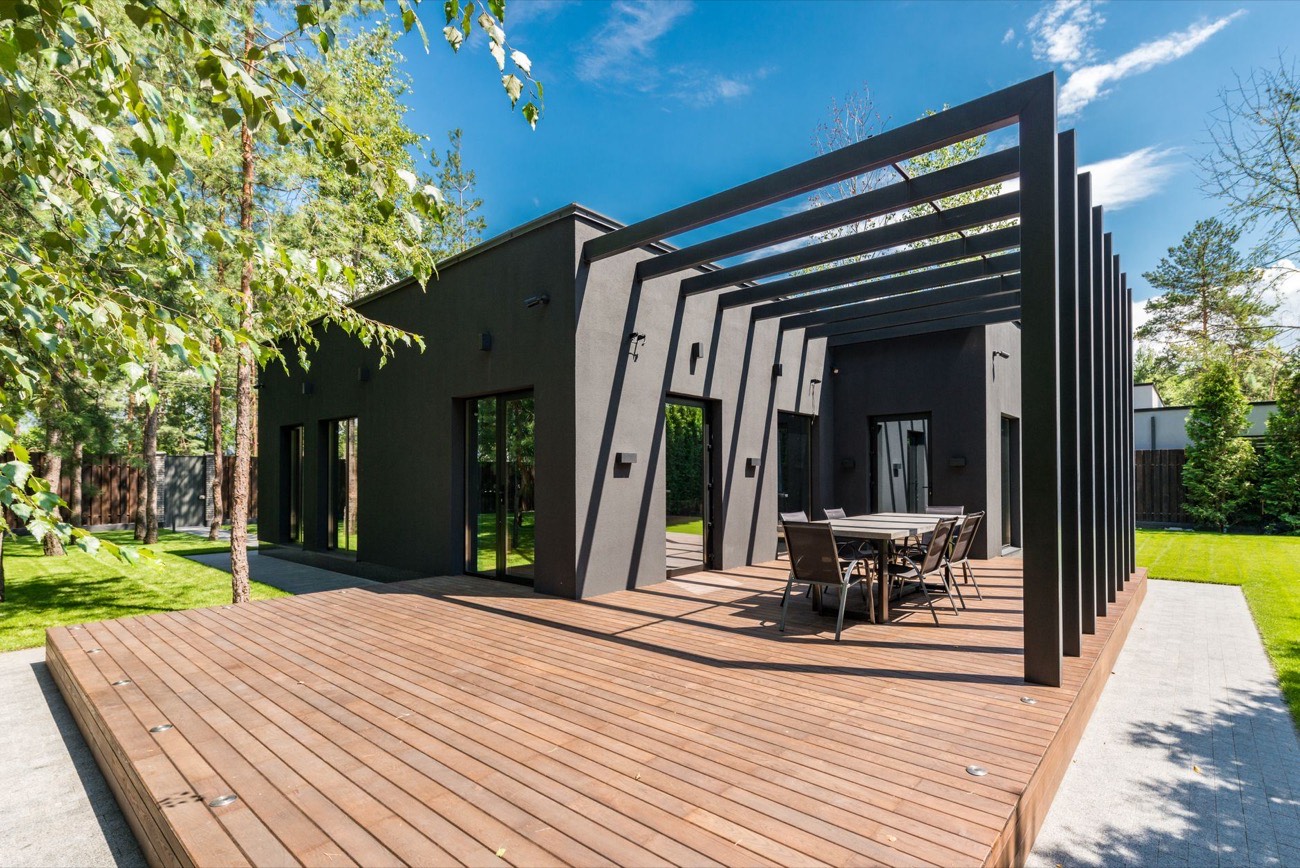
No — you shouldn’t build a deck, patio, driveway, shed, or pool over a septic tank or drain field, and in most areas it’s against code. There are three solid reasons: it blocks access to a tank that must be inspected and pumped every few years, it compacts the soil and can crush the pipes, and over the drain field it blocks the air and evaporation the system needs to treat wastewater. The EPA is explicit that you shouldn’t even drive or park on a drain field, let alone pave it. If you’re planning a yard project, the fix is simple: locate your tank and field first, and build around them, not over them.
The three reasons not to build over your septic system
1. It blocks access (the practical dealbreaker)
Your tank needs a professional inspection every ~3 years and pumping every 3–5 years, and both require opening the tank lid — sometimes with a vacuum truck close by. A deck, patio, or slab on top makes that impossible without tearing out your new structure. Even a shed in the wrong spot can force expensive workarounds every service visit. Access isn’t optional; it’s how the system stays alive.
2. It compacts the soil and can damage the system
Septic components are buried and not built to carry structural loads. Footings, slabs, and vehicle weight:
- Compact the soil, which the drain field needs loose to absorb water.
- Crack or crush the tank, lines, or distribution box.
- Shift components out of alignment.
The EPA’s guidance is direct: don’t drive or park on your drain field — “the weight can damage the drain lines.” A patio or driveway applies that damaging load permanently.
3. Over the drain field, it suffocates the system
The drain field treats effluent partly by letting it evaporate and by keeping the soil biologically active, which needs air. Sealing the surface with pavement or a solid structure traps moisture and starves the field, and it can push effluent to surface elsewhere. A covered drain field is a field on its way to failing — and drain field replacement is the priciest septic repair there is.
What you can (and can’t) put over each part
| Feature | Over the tank | Over the drain field |
|---|---|---|
| Grass / shallow plants | ✅ Yes | ✅ Yes (ideal) |
| Walking / light foot traffic | ✅ Yes | ✅ Yes |
| Deck / patio | ❌ No | ❌ No |
| Driveway / parking | ❌ No | ❌ No |
| Shed / permanent structure | ❌ No | ❌ No |
| Pool / hot tub | ❌ No | ❌ No |
| Trees / shrubs | ❌ No | ❌ No (roots clog lines) |
| Raised garden beds / vegetables | ❌ No | ❌ No (contamination) |
Grass is the best cover — see what to plant over a drain field.
Planning a yard project? Do this first
- Locate your tank and drain field. Pull the county’s as-built or use the methods in how to find your septic tank.
- Map the setbacks. Check your local health department’s required distances from the tank, field, and lids.
- Design around them. Put the deck, patio, or driveway well clear of both the tank and the field, and keep the lids/risers accessible.
- When in doubt, ask. A septic professional or your county office can confirm what’s allowed before you pour concrete you’ll regret.
Bottom line
A septic system needs access, un-compacted soil, and air — and a deck, patio, or driveway over it destroys all three. Keep the tank and drain field clear, cover them with grass, and build your hardscape elsewhere in the yard. It’s far cheaper to design around the system now than to demolish a patio later to reach a failing tank. For the full list of drain-field do’s and don’ts, see the septic maintenance checklist.